
Upper Limb Prosthetics
West Coast & SoCal's Leader
You are one of a kind — your prosthetic should be too.
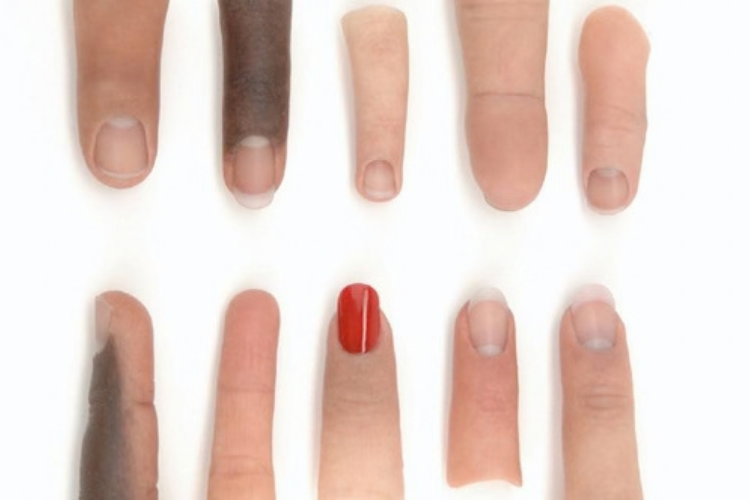
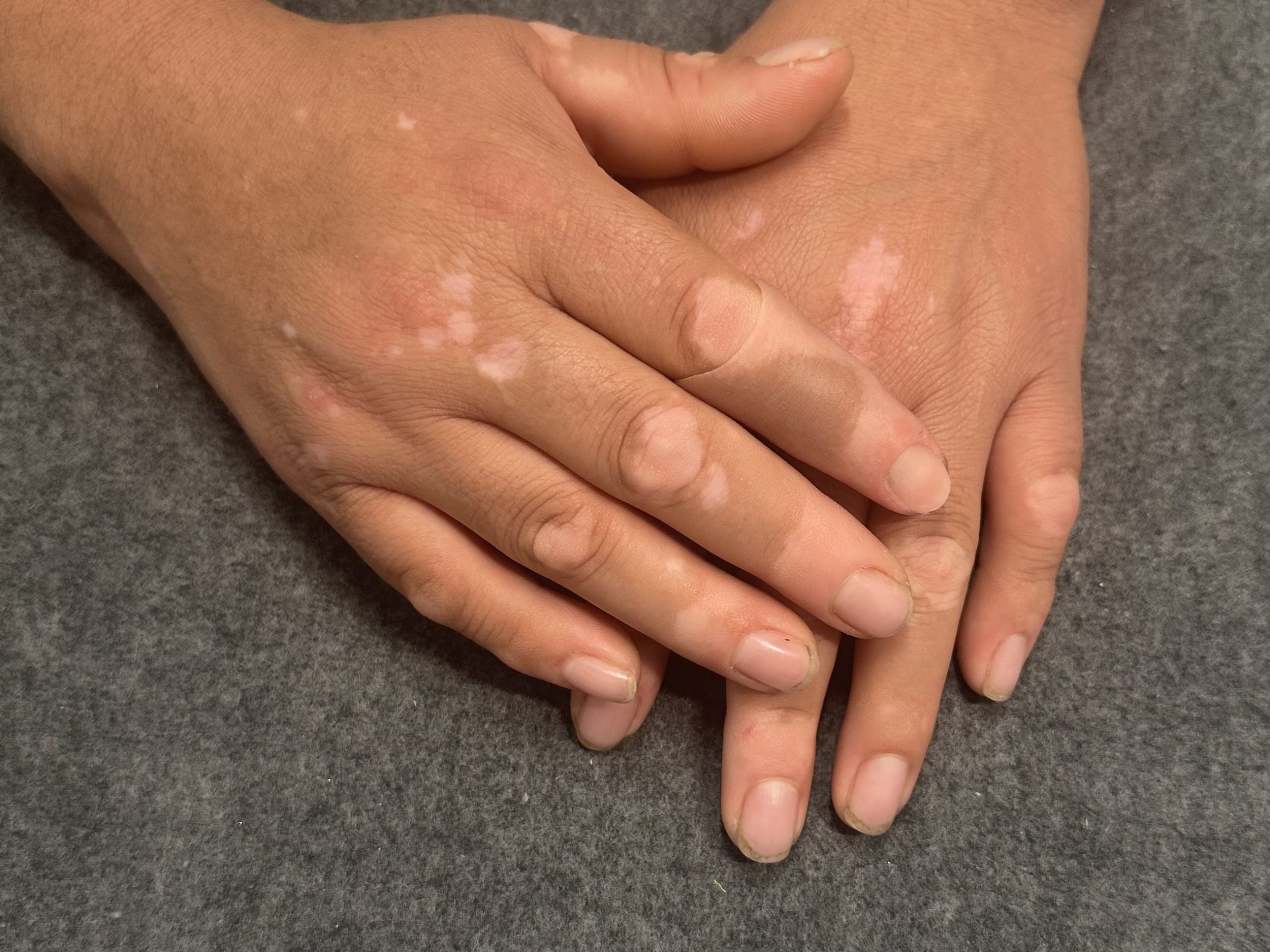
upper limb prosthetics
Designed for Function, Comfort & Confidence
Bross and Associates specializes in boutique service of custom prosthetic fingers, hands, arms, toes and feet solutions designed around the individual. From highly realistic silicone prosthetics to advanced biomechanical and myoelectric devices, we help restore function, protect sensitive tissue, and support confidence in everyday life.
A loss is a loss, no matter how small.
fingers to toes
Specializing in
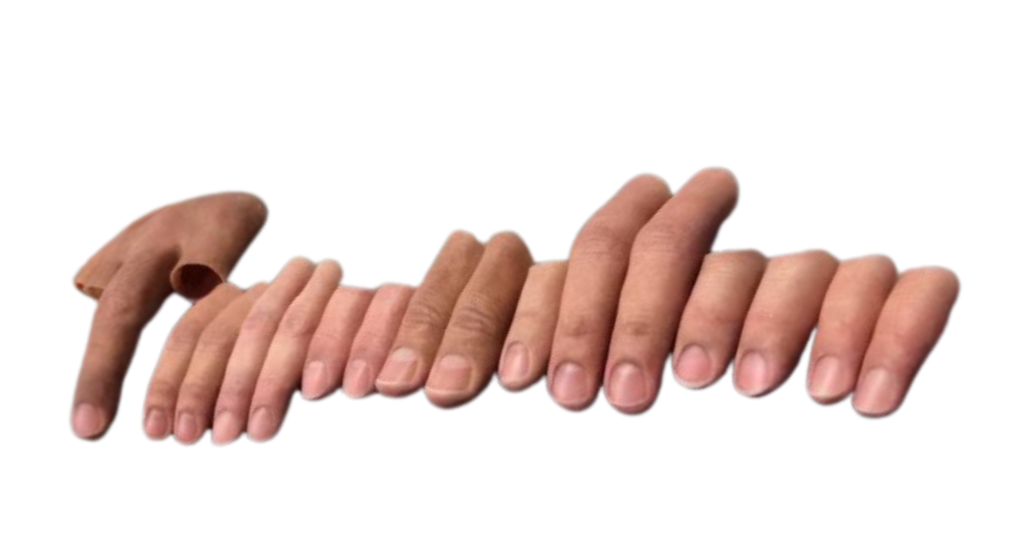
Prosthetic Fingers
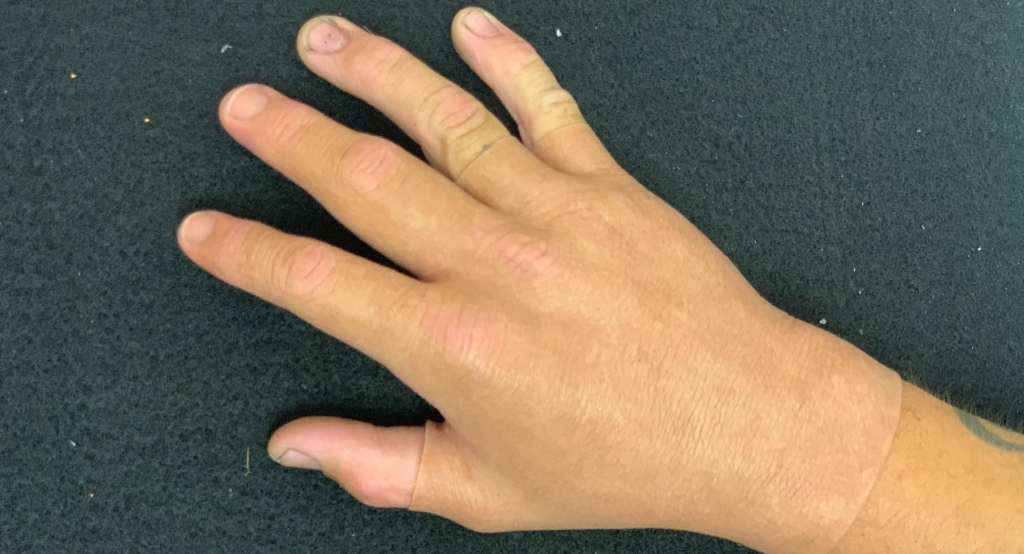
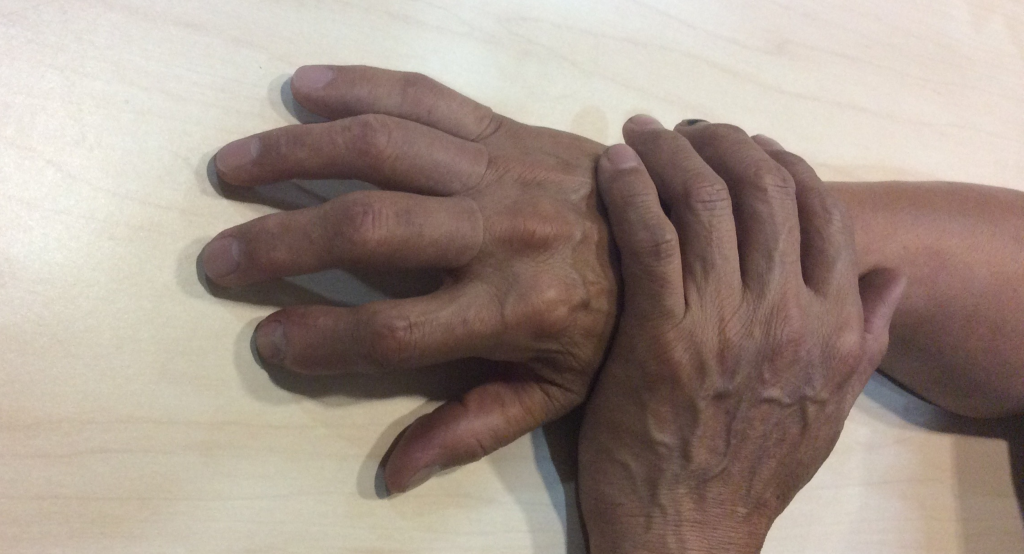
Prosthetic Partial Hands
Prosthetic Partial Hands
Prosthetic Partial Hands
Prosthetic Hands
Prosthetic Partial Hands
Prosthetic Arms
Biomechanical Prosthetics PIP
Biomechanical Prosthetics MCP
IDigits Prosthetics
ILimb Prosthetics
Activity Specific Prosthetics
Activity Specific Prosthetics
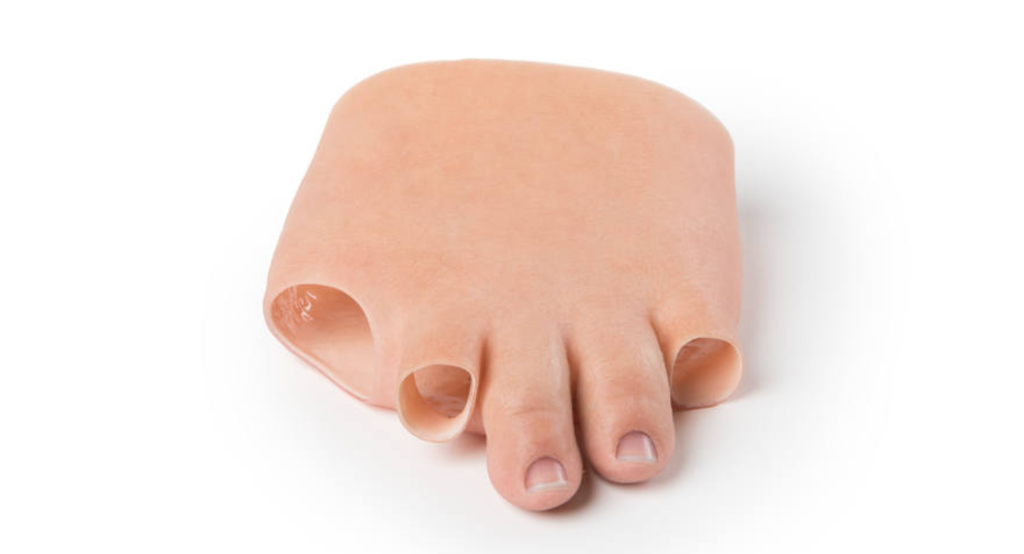
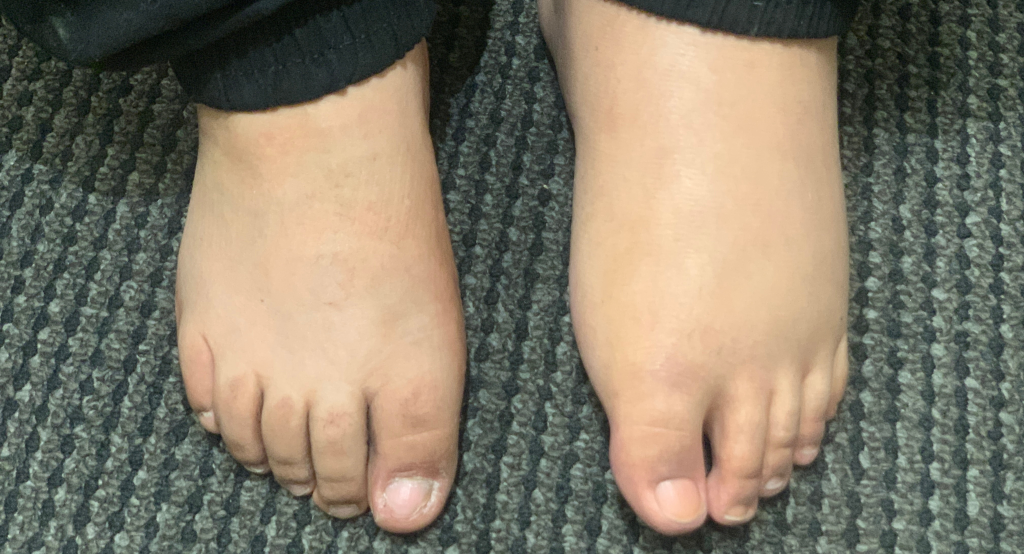
Prosthetic Toes
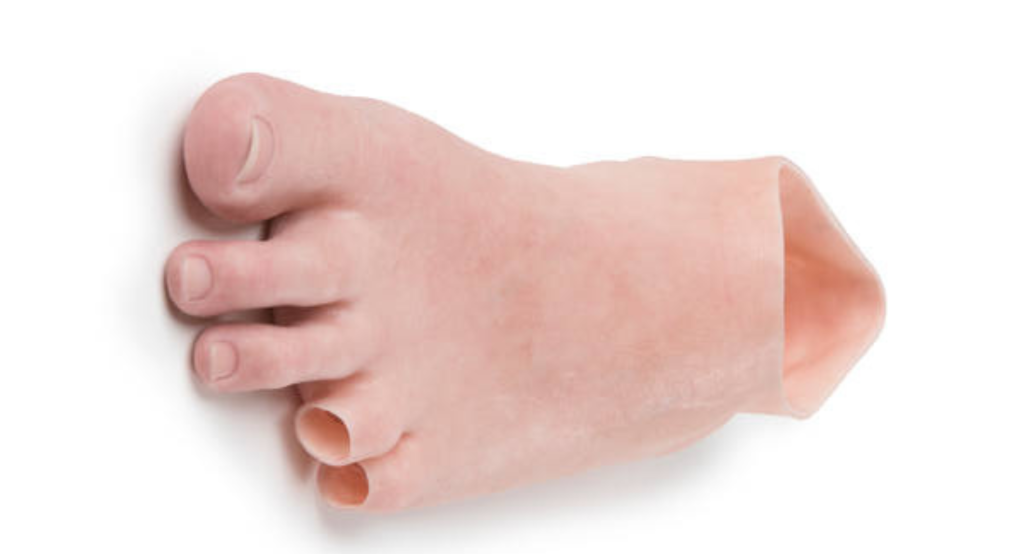
Prosthetic Feet
Why Choose Bross & Associates?
Fingers, Hands, Arms, Toes & Feet
We specialize in custom upper- and lower-limb prosthetics, including prosthetic fingers, partial-hand solutions, prosthetic arms, toes, and feet. Each prosthesis is custom fabricated and meticulously detailed to complement the patient’s unique anatomy, appearance, and functional needs.
Individualized Care
We look beyond the amputation to understand the whole person. Every prosthetic solution is designed around the individual’s anatomy, goals, lifestyle, functional needs, and personal preferences. Our approach is personal, thoughtful, and tailored to each patient.

Functional Focus
The right prosthetic, for the right function. From passive silicone restorations to active biomechanical and myoelectric devices, we consider each patient’s daily activities, functional goals, and specific needs to ensure the patient is equipped with the right devices.
Care Beyond the Device
Our care extends beyond the prosthesis itself. We guide patients through the process from evaluation and fabrication to fitting and follow-up care. We are committed to supporting each patient throughout their prosthetic journey to ensure confidence, independence, and overall well-being.

2020 Special Profile Feature
Our Prosthetic Solutions
Silicone Prosthetics
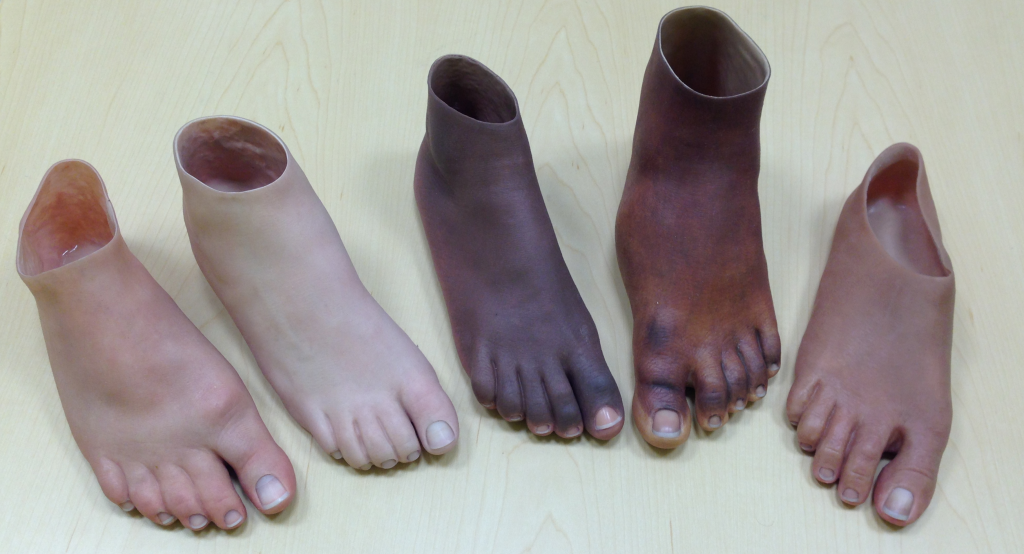
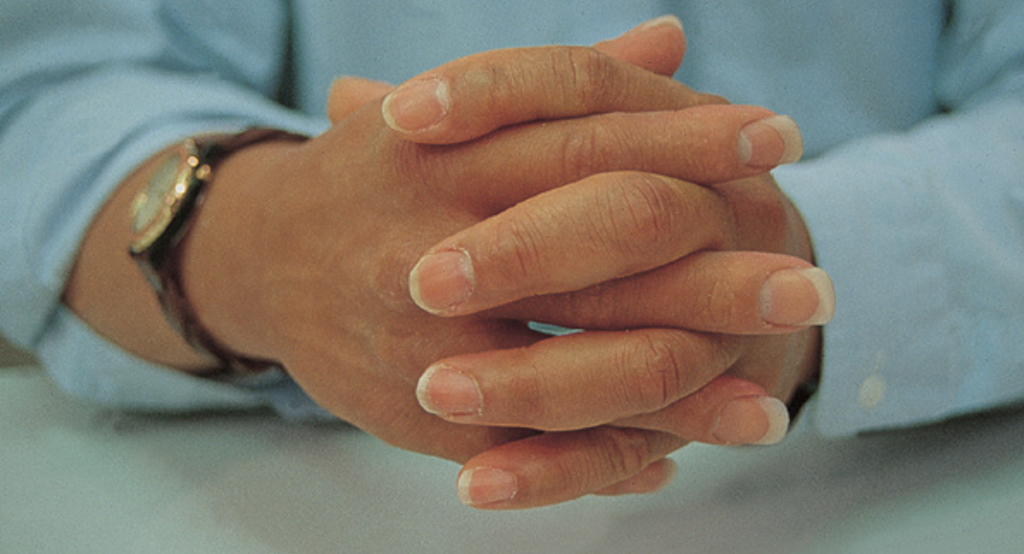
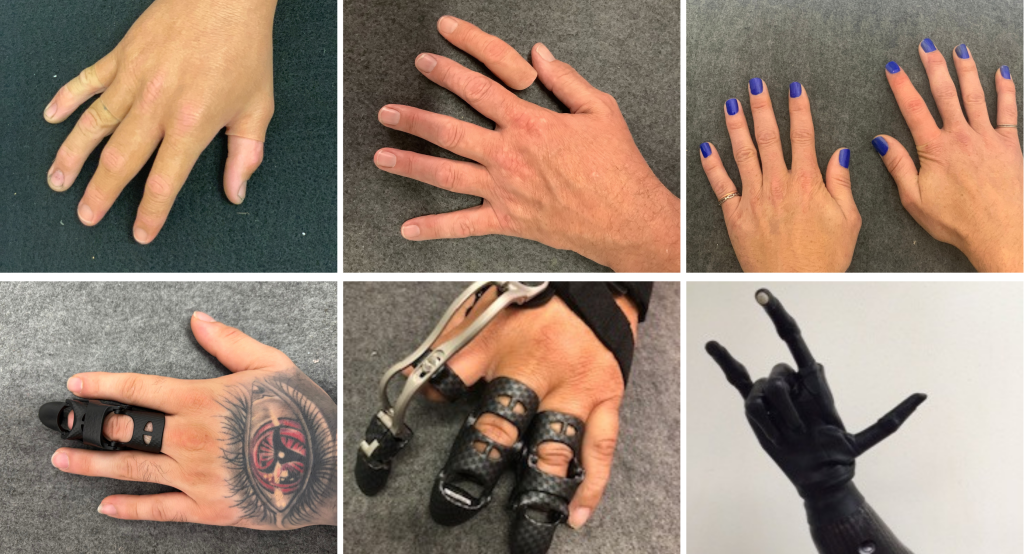
Custom fabricated high-definition silicone to match skin tone, freckles, hair, tattoos, and fingernails. Designed to restore a natural appearance while providing protection and passive support for everyday activities.
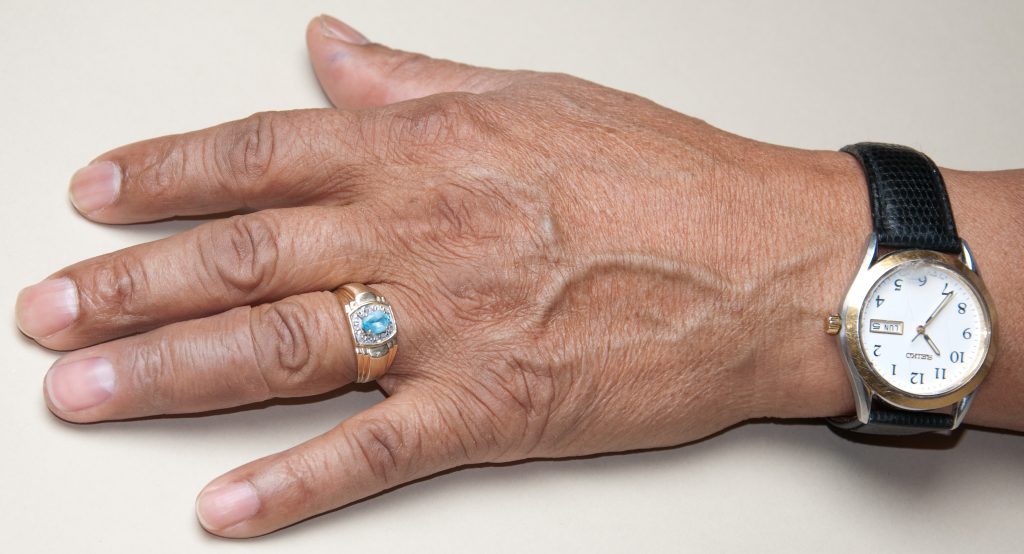
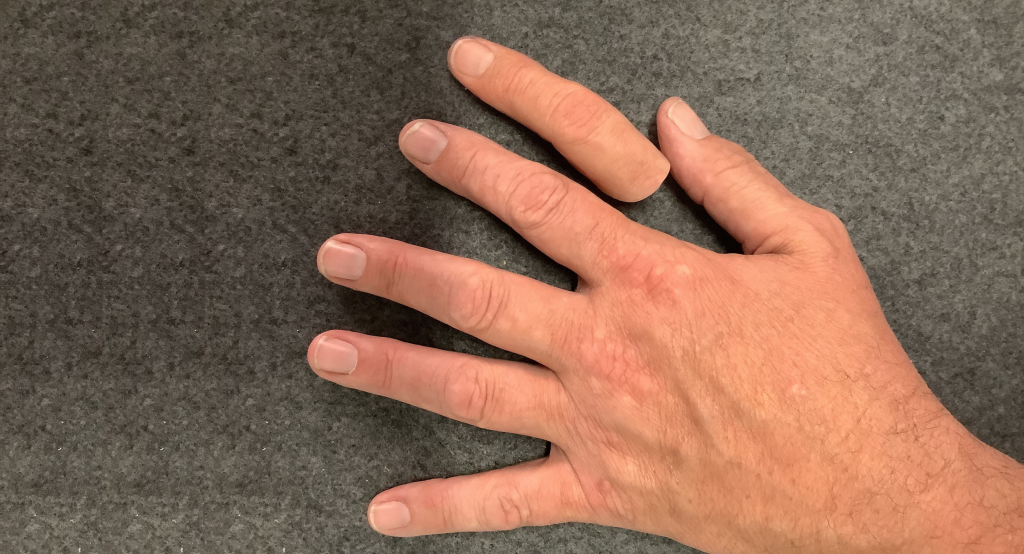
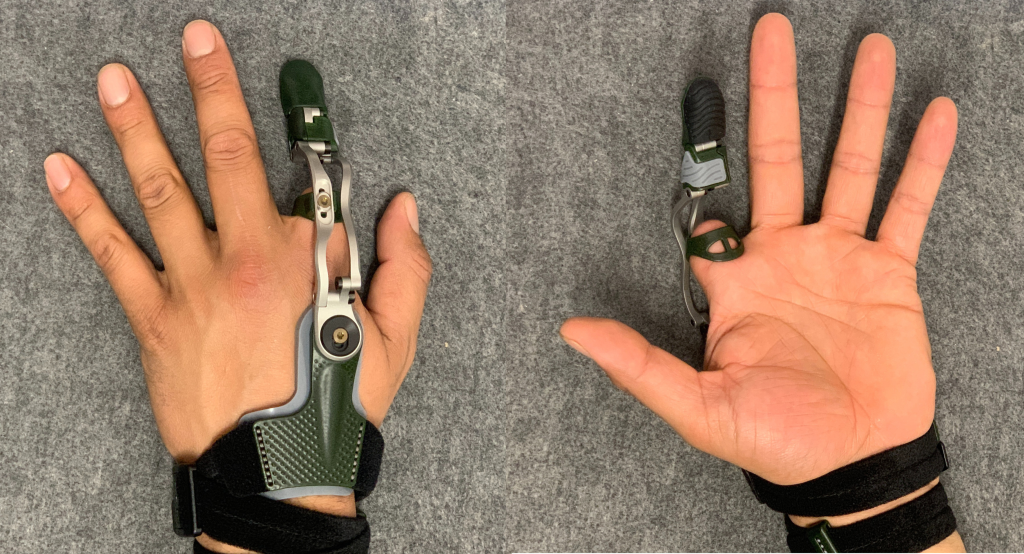
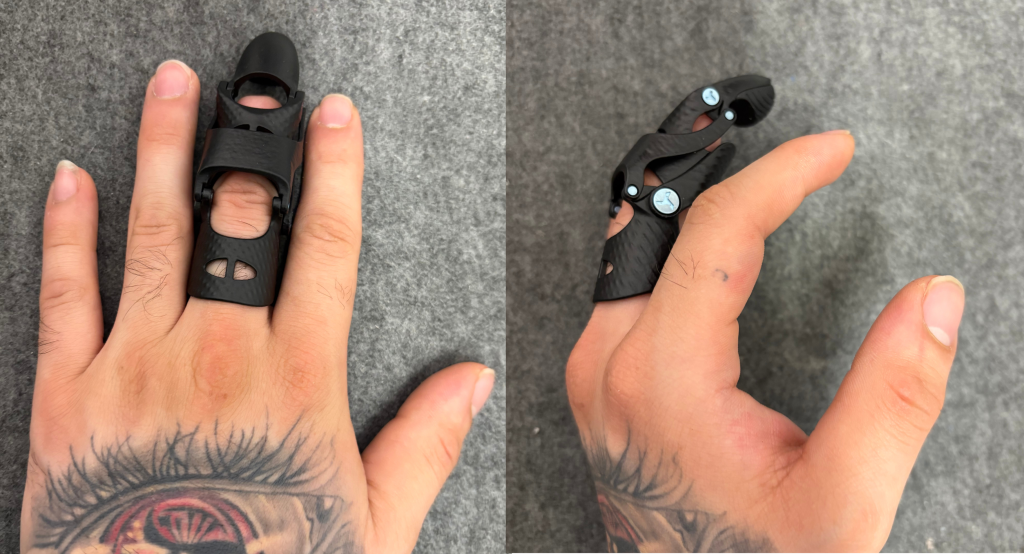
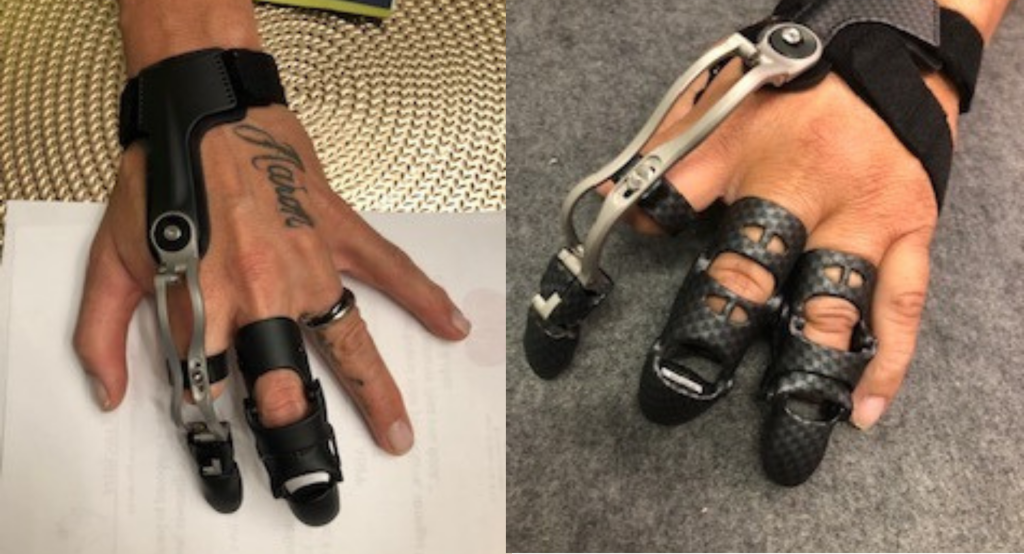
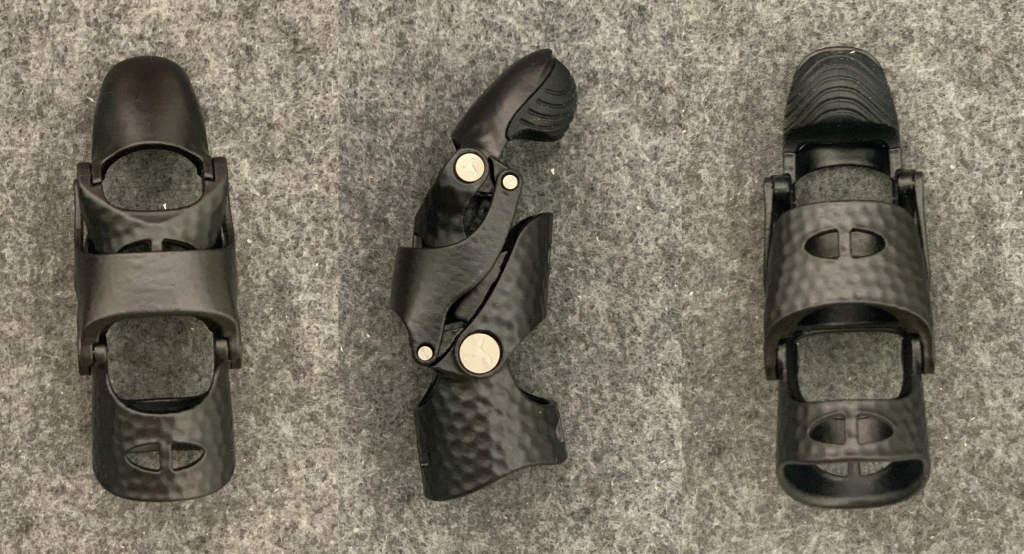
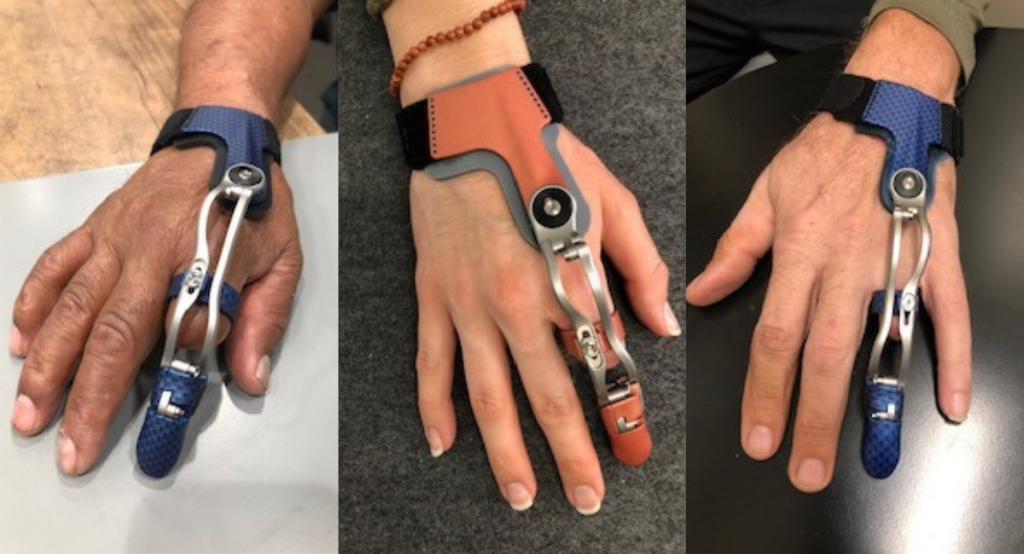
Biomechanical and Myoelectric Prosthetics
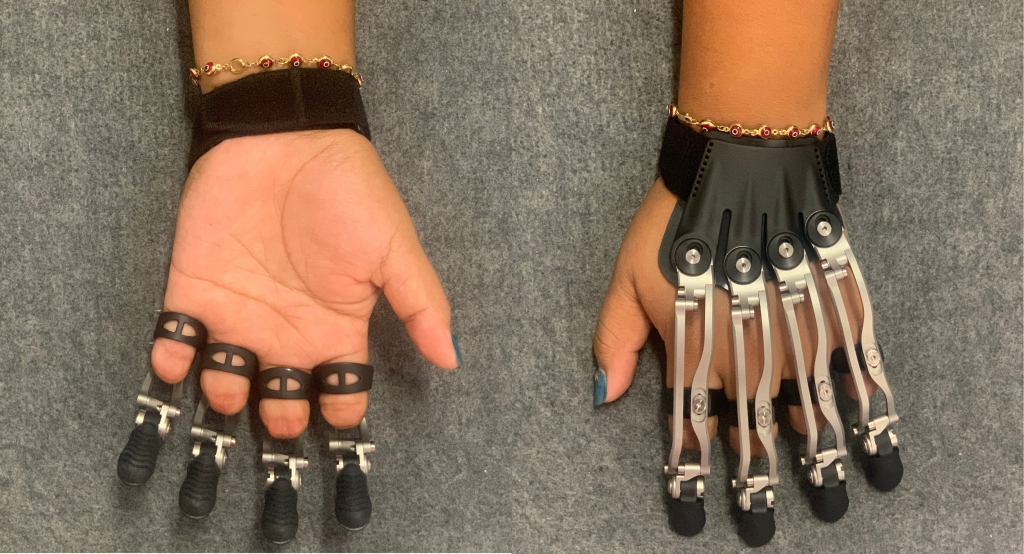
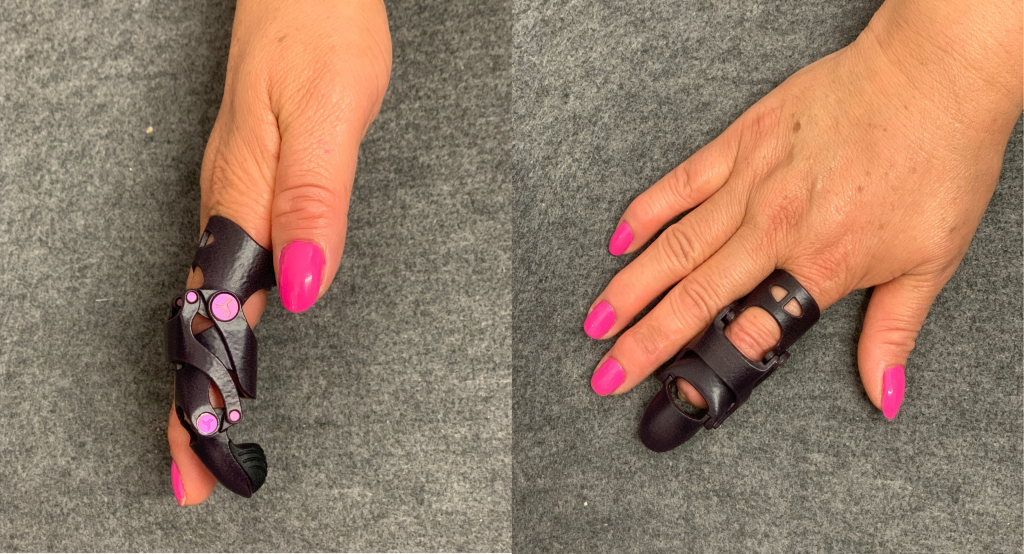
Custom, body and muscle powered devices that use the patient’s remaining residual to restore length, movement, and function. Designed to improve dexterity, grip strength, and natural body movements.
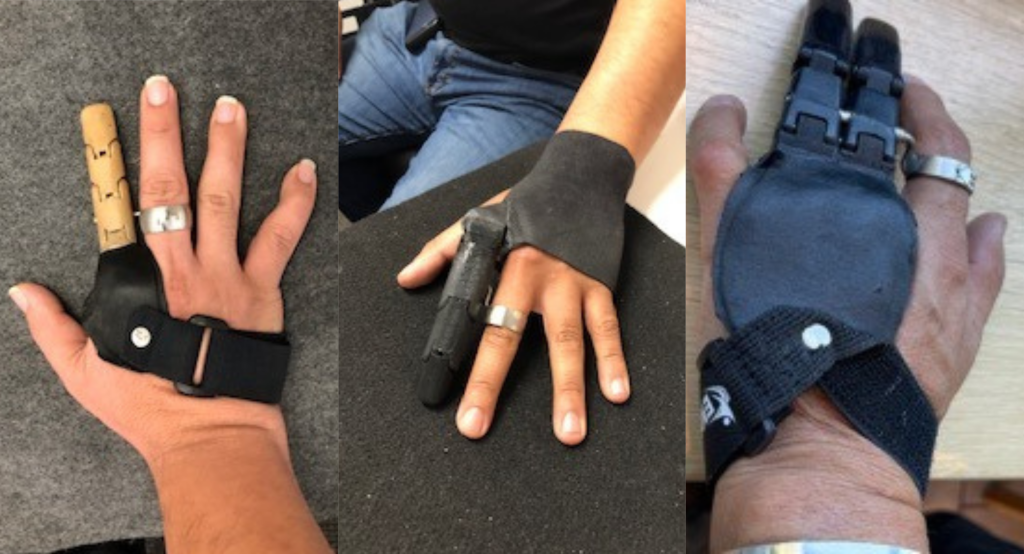
Dynamic Devices
Custom, active prosthetic devices designed to restore function through body-powered movement. Engineered to support functional grasping, improve control, and help patients perform everyday tasks with greater independence.
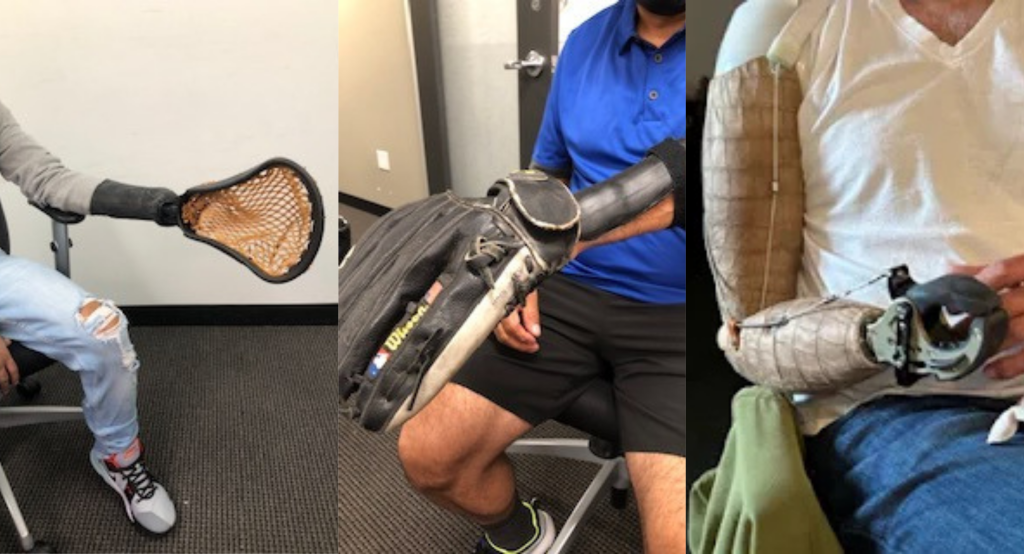
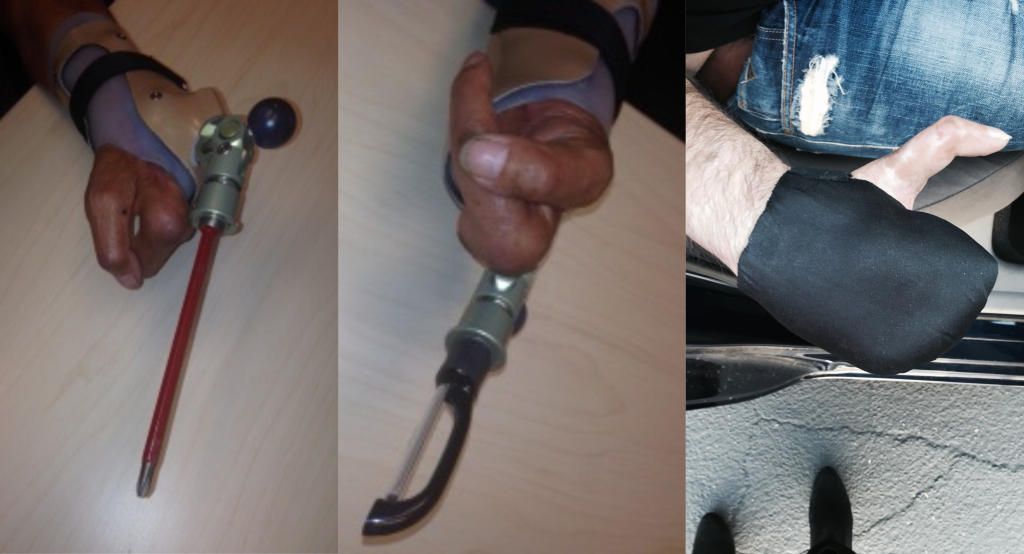
Activity Specific
Custom devices designed around your favorite activities, from playing baseball and swimming to playing guitar. Each prosthesis is tailored to your unique needs to help you return to the hobbies and activities you love.
Your prosthetic needs to look great and look just like you!
more than a prosthesis – a restoration of you!
Appearance Meets Function
A prosthesis is about more than replacing what was lost. It’s about restoring confidence in everyday moments, whether that means comfortably shaking someone’s hand, wearing a wedding ring, returning to work, enjoying a meal, holding a loved one’s hand, or simply feeling like yourself again.
Looks
Looks Natural
Works
Works Naturally
Feels
Feels Natural
your journey to a prosthetic solution
How the Process Works
01 — Evaluation
01 — Evaluation
02 — Prosthetic Planning
02 — Prosthetic Planning
03 — Documentation & Authorization
03 — Documentation & Authorization
04 — Fabrication
04 — Fabrication
05 — Fitting & Training
05 — Fitting & Training
06 — Follow-Up Care
06 — Follow-Up Care
navigating the prosthetic process can be complicated
Workers' Compensation Prosthetic Care
We work closely with injured workers, physicians, nurse case managers, claims professionals, and other members of your care team. From the initial evaluation and medical documentation to authorization and delivery, we help coordinate the information needed to move the prosthetic process forward to get you back to wholeness.

Frequently Asked Questions:
How long after surgery must I wait before receiving a prosthesis?
The amount of time needed before a prosthesis can be made depends on the extent of your surgery and your healing process. In many cases, patients are advised to wait approximately six months to allow the surgical site to fully heal and swelling to subside before molds are taken. However, the authorization process can begin before your clinical appointments so there is no unnecessary delay.
How long does it take to create a prosthesis?
Custom silicone prostheses are highly specialized and labor-intensive. Fabrication typically takes approximately 4 to 6 weeks for a finger prosthesis and 6 to 8 weeks for larger prostheses. The exact timeline may vary depending on the complexity of the prosthesis and the level of customization required.
Fabrication for biomechanical and activity specific prostheses typically take approximately 4 to 8 weeks. Guitar fingers take approximately 4 to 6 weeks.
How long does it take to receive a prosthesis?
From the initial evaluation through authorization, molding, color matching, fabrication, and final fitting, the overall process can take several months. The timeline varies depending on the patient’s individual needs, insurance or Workers’ Compensation authorization, and the complexity of the prosthesis.
We are here to help guide you through the process.
Do I need a prescription for a prosthesis?
A prescription or physician’s order may be required depending on your insurance provider or Workers’ Compensation claim. Bross & Associates can help coordinate the documentation needed to begin the evaluation and authorization process.
How do I know which type of prosthesis is right for me?
Every prosthesis is custom designed to meet the patient’s anatomy, functional needs, lifestyle, and personal goals. There are several types of prosthetic solutions, and the right option depends on your individual needs.
During your evaluation, we carefully assess the affected area and discuss how you want your prosthesis to look, feel, and function. Based on this evaluation, we recommend the prosthetic solution that best meets your needs and goals.
How do the prostheses stay on?
Most silicone finger, hand, arm, toe, and foot prostheses are held in place using suction suspension. When suction is not possible or appropriate, other suspension methods may be used based on the patient’s anatomy and the design of the prosthesis. These may include straps or custom-fabricated sockets.
Biomechanical fingers are custom sized to fit securely and comfortably. Depending on the design and the patient’s needs, a strap may also be incorporated to provide additional support and suspension.
Can the prostheses be worn all the time?
No. Silicone prostheses should be removed when bathing, sleeping, or participating in activities that may place excessive stress on the device. This can include guitar playing, sports, construction, auto maintenance, and other strenuous activities.
Oil-based products should also be avoided while wearing the silicone prosthesis. Many hair, skin, and body products contain oils that can affect the silicone and should be applied only when the prosthesis is not being worn.
Is a silicone prosthesis just cosmetic?
No. A silicone prosthesis can provide both functional and restorative benefits. The level of function depends on the type and design of the prosthesis. Prostheses can assist with non-manipulative activities such as supporting, stabilizing, pushing, and pulling. Finger prostheses and many hand prostheses can also be positioned to assist with activities such as typing and playing the piano.
Can a prosthetic finger help me regain function?
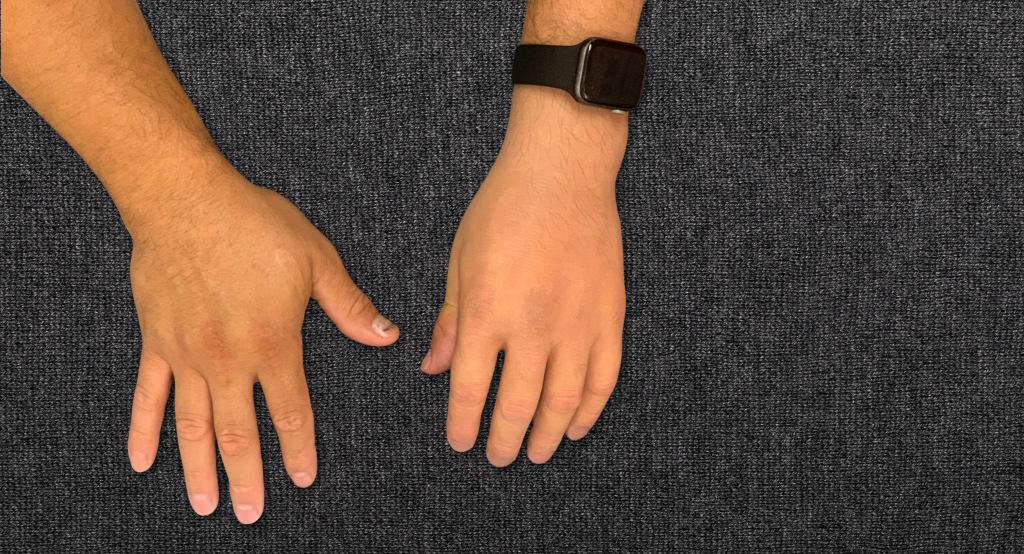
A prosthetic finger may help restore or support certain functions depending on the level and location of the amputation or limb difference. For example, a partial finger prosthesis may allow the remaining portion of the finger to move naturally while helping restore length, stability, and contact with objects.
During your evaluation, we will discuss the functional goals that may be possible with your prosthesis.
Do the fingers move?
The amount of movement depends on the level of restoration and the type of prosthesis. When a prosthesis replaces only the tip or part of a finger, the remaining portion of the finger can typically move naturally. When an entire finger is missing, movement is more limited. In some cases, an internal armature can be incorporated into the prosthesis, allowing the finger to be positioned as needed.
Biomechanical fingers are body-driven and may provide additional functional movement. Certain activity-specific prosthetic devices are also designed to allow movement for specific activities.
During your evaluation, we assess your anatomy, range of motion, functional needs, and goals to determine which prosthetic solution will provide the best possible function for you.
How realistic can a silicone prosthesis look?
Custom silicone prostheses can be highly realistic. Our prostheses are individually color matched and hand painted to replicate the patient’s natural skin tone and details. Depending on the prosthesis, we can incorporate features such as freckles, veins, wrinkles, scars, tattoos, and other individual characteristics to create a highly personalized result.
Can a prosthesis be made to match my skin tone?
Yes. Each prosthesis is individually color matched to the patient’s skin. Color matching takes into consideration natural skin variations and details that help the prosthesis blend with the surrounding area.
Patients who are currently tanned may be advised to wait until their tan fades before color matching.
Can fingernails be shaped and painted?
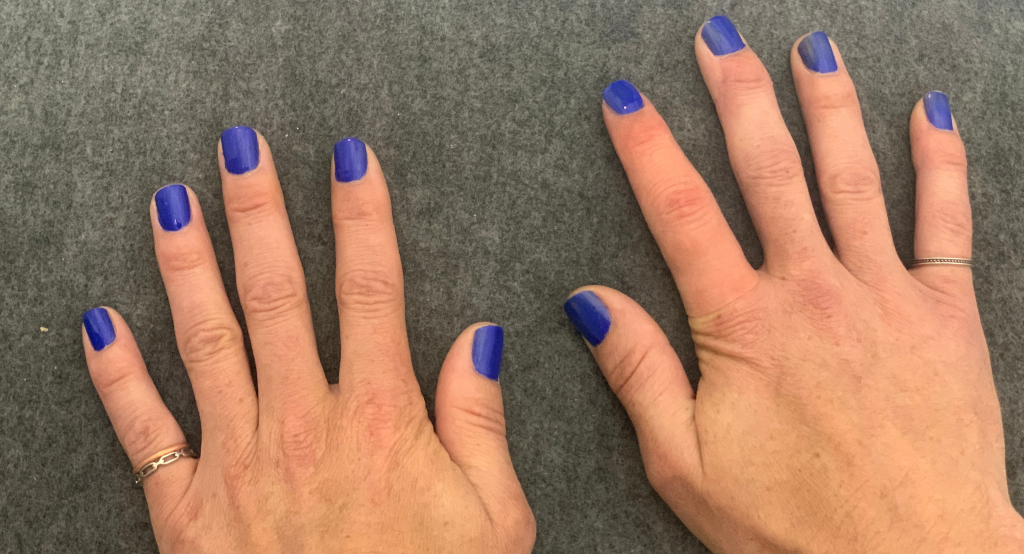
Yes. Depending on the prosthesis selected, the fingernail can be customized to your preferred shape. If an acrylic nail is used, it can be painted. A non-acetone nail polish remover must be used to avoid damaging the prosthesis.
Can you replicate my fingernail?
Yes. Nail shape, length, and appearance can be customized to create a natural-looking result. Depending on the design, an acrylic nail may also be used, allowing you to change the nail polish color.
Can hair be incorporated into the prosthesis?
Yes. Patients with significant body hair can request DermaHair. This custom-matched, synthetic, non-removable hair can be incorporated into the prosthesis. The hair is embedded within the top layer of the silicone, helping it maintain its appearance over time.
DermaHair must be requested before the manufacturing process begins, and there is an additional cost for this feature.
Will the prosthesis stain?
The silicone used to create our prostheses is highly resistant to staining and is designed for everyday wear. However, certain dyes, chemicals, and materials can transfer color or affect the surface of the silicone. Patients should use caution when handling products such as blue Woolite, permanent markers, carbon paper, unwashed denim, and certain leather dyes or tanning products.
Biomechanical, activity-specific, I Digits, and I Limb prostheses are made from more durable materials and are generally less susceptible to staining. However, care should still be taken to avoid prolonged contact with materials that could damage or discolor the prosthesis.
How long does a prosthesis last?
The lifespan of a prosthesis depends on how it is used, worn, and maintained. With proper care and normal use, the average lifespan is approximately 2 to 4 years.
Purchasing a duplicate prosthesis at the same time may help extend the life of both devices. Alternating between two prostheses can help reduce wear on each device.
Is there a warranty?
Yes. Each prosthesis is covered by a one-year repair or replacement warranty when proper care and maintenance guidelines are followed.
When two duplicate prostheses are provided at the same time and worn alternately to reduce excessive wear, a two-year repair and replacement warranty applies. Higher-level prostheses, including below-elbow and above-elbow prostheses, are covered by a one-year warranty.
What should I do if I tear or damage my prosthesis?
Do not attempt to glue, patch, or repair the prosthesis yourself. Contact Bross & Associates before sending the prosthesis back for repair. We will provide instructions for the appropriate next steps.
Are prostheses paid for by insurance?
Many insurance companies and Workers’ Compensation programs in the United States provide coverage for prosthetic devices when they meet the applicable medical-necessity and coverage requirements. Coverage varies by insurance plan, claim, and individual circumstances.
Bross & Associates can work with you and your insurance or Workers’ Compensation representatives through the authorization process.
Does insurance cover prosthetic fingers?
Many insurance plans and Workers’ Compensation programs may provide coverage for medically necessary prosthetic fingers. Coverage and authorization requirements vary by payer. Bross & Associates can help determine what documentation is needed and work through the authorization process.
Do you work with Workers' Compensation?
Yes. Bross & Associates works with Workers’ Compensation patients and insurance carriers. We can assist with the documentation, evaluation, authorization, and communication needed to move the prosthetic process forward.
Do you work with nurse case managers?
Yes. We regularly communicate with nurse case managers, claims adjusters, utilization review representatives, and other members of the care team. We can provide the clinical documentation and information needed to support the evaluation and authorization process.
What happens during a prosthetic evaluation?
A prosthetic evaluation is an important part of determining the most appropriate device for your needs. Depending on the type of prosthesis, the evaluation may include a consultation, physical examination, photographs, functional testing, assessment of the affected area, prosthetic design, and component selection.
We also discuss your daily activities, functional goals, lifestyle, and expectations so the prosthesis can be designed around your individual needs.
Is a prosthesis considered medically necessary?
A prosthesis may be considered medically necessary when it is intended to help a patient achieve or maintain a defined functional state and is prescribed or provided as a substitute for a missing body part.
The Official Disability Guidelines (ODG) Forearm, Wrist, and Hand section identifies criteria that may support medical necessity, including whether the patient is expected to reach or maintain a defined functional state within a reasonable period, is motivated to learn to use the limb, and the prosthesis is furnished pursuant to a physician’s services or order as a substitute for a missing body part.
What if I have already been denied by insurance or Utilization Review?
A denial does not necessarily mean that you cannot receive a prosthesis. Depending on the reason for the denial, additional clinical documentation, medical-necessity information, or an appeal may be appropriate.
Bross & Associates can review the information available and work with the appropriate parties to determine what documentation may be needed to support the request for authorization.
How do I get started?
Give us a call. We can discuss your needs, answer your questions, and help determine the next steps needed to move forward with a prosthetic evaluation.
If you are working with insurance or Workers’ Compensation, authorization may be required before an evaluation can be scheduled. We can help guide you through the process and explain what to expect along the way.
Our Trusted Resources

about us
A Helping Hand
At Bross and Associates, we understand that adjusting to life after an amputation involves both physical and emotional challenges. That’s why we take a holistic approach—seeing each person as more than a client. Our goal is to support healing from the inside out, restoring confidence, comfort, and a sense of wholeness.
Our prossthetic solutions restore function and confidence. Using advanced technology and lifelike detail, our prosthetics offer comfort, protection, passive and active function. More than a device, each prosthetic supports emotional healing and helps clients move forward with dignity and renewed sense of self.